

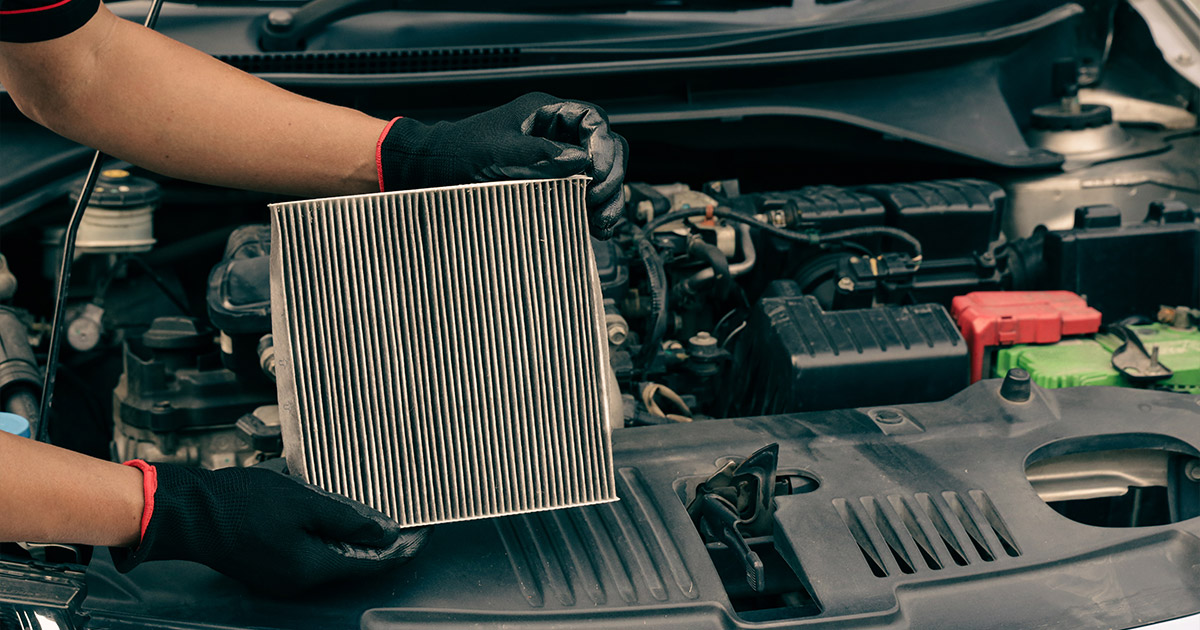
Your Volkswagen Atlas, Jetta, or Tiguan draws in air from your surroundings while you’re traveling in Sterling Heights. Before it flows into your cabin, the air must pass through a filter designed to remove harmful or irritating particles. Learn from us at Mike Savoie Volkswagen of Troy about the function of this part and how to know when it’s time to get a new one installed.
Purpose of the Cabin Air Filter
Housed near the barrier between the engine bay and the car’s interior, the cabin air filter has three primary responsibilities. First off, it cleans the air before it is brought into the Volkswagen’s sitting area by trapping any dust or pollution. Another way that this component operates is by trapping allergens, like pollen from the trees you pass by near Dodge Park. The quality of the air filter can have a significant impact on the functionality of the overall HVAC system within your car. By getting it replaced regularly, you can diminish the negative effects of a clogged component, like poor airflow and additional power usage from the system.
Warning Signs
Drivers can determine whether or not their cabin air filter needs to be replaced in one of two ways. The first is according to the number of miles you have driven since it was last swapped for a new one. The average Volkswagen model requires a fresh component every 15,000 miles, but you should also consult your Owner’s Manual for more specific intervals. You should also look out for some warning signs that suggest the part has reached the end of its lifespan. Consider whether you experience a lower level of airflow in your cabin with your heat or cooling systems on. Also, if you find that your allergies are flaring up more often or you can smell the exhaust from the vehicles around you at Wolf Park, it’s another sign that the filter should be examined. Lastly, if you sense a musty aroma, that likely indicates that bacteria is growing on the filter, and you should reach out to our Parts Department to get a new one.
Types of Cabin Air Filters
Your Volkswagen can be outfitted with one of several types of filters. Most people opt for the basic particulate item because it blocks almost 97% of fine airborne debris while being inexpensive. Another option you may get is an activated carbon filter, which essentially does everything that the first type is capable of. However, it provides more in the way of odor control. Lastly, an antimicrobial filter not only removes the debris from the air and reduces the smell of pollutants, but it also inhibits the growth of mold on the surface. No matter what type you’d like to get for your Volkswagen, we can help you find one that suits your car. You can take it home and install it or add it to your list of quick fixes when you schedule a service appointment.
How Often Should I Change My Volkswagen’s Cabin Air Filter?
- Put a new cabin air filter in your car every 15,000 miles or as directed by your Owner’s Manual.

Connect with us

