

The 2026 Volkswagen Golf GTI daily driver discussion keeps growing because more Michigan drivers want a commuter car that feels responsive year round without sacrificing comfort or winter stability. That balance is difficult for most sporty compact cars to achieve. Some focus heavily on handling and ride stiffness while others prioritize fuel economy so aggressively that acceleration and steering response feel disconnected. The Golf GTI approaches daily driving differently because its chassis tuning, turbocharged engine calibration, hatchback structure, and front wheel drive layout were engineered to support both commuter usability and responsive road feel at the same time.
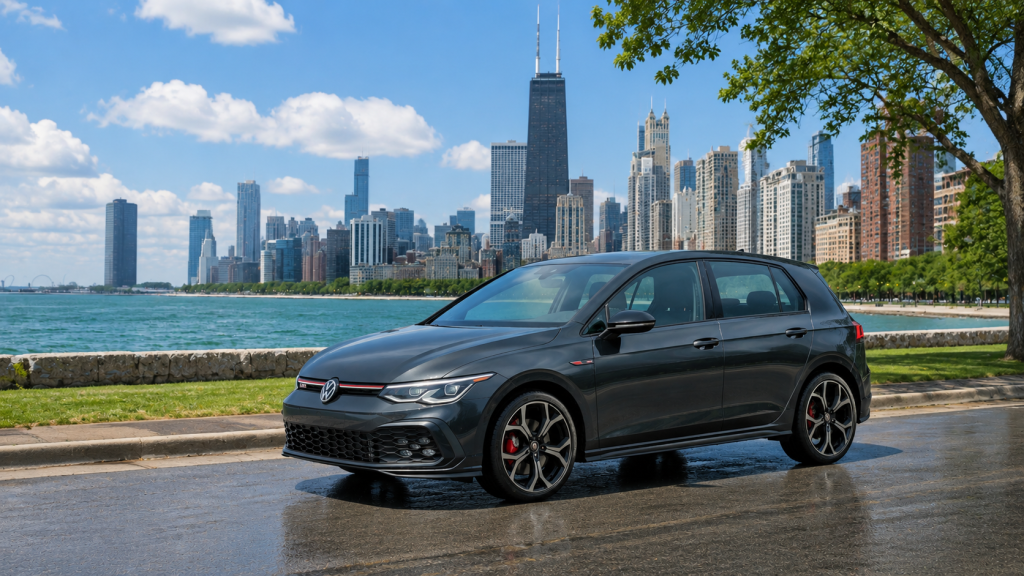
Why the Golf GTI Feels Different From a Standard Commuter Hatchback
One of the most common shopper questions asks what makes the GTI different from a regular Golf. The answer starts with chassis calibration.
A chassis is the structural foundation connecting suspension geometry, steering response, weight distribution, and body rigidity. The 2026 Volkswagen Golf GTI uses tighter suspension calibration, quicker steering ratios, upgraded braking hardware, and revised drivetrain tuning compared with a standard commuter hatchback. Those changes affect how the car rotates during corners, how quickly steering input transfers through the front wheels, and how stable the vehicle feels during lane transitions.
Most commuter hatchbacks prioritize soft steering and slower body movement because the goal centers around comfort first. The GTI changes that formula by tightening body control while still maintaining enough ride compliance for long distance commuting.
This changes daily driving in several ways:
Read the rest of this entry »The 2026 Volkswagen Atlas Cross Sport vs Kia Telluride comparison starts with a major structural difference because these SUVs approach passenger space, cargo packaging, and highway driving in completely different ways. The Telluride focuses on three row flexibility and higher passenger capacity, while the Volkswagen Atlas Cross Sport uses a two row layout that changes cabin spacing, cargo floor length, and vehicle proportions. Shoppers researching midsize SUVs are not only comparing dimensions or towing numbers anymore. They are trying to understand how SUV layout changes road trip comfort, winter drivability, parking ease, and cargo organization during daily ownership.
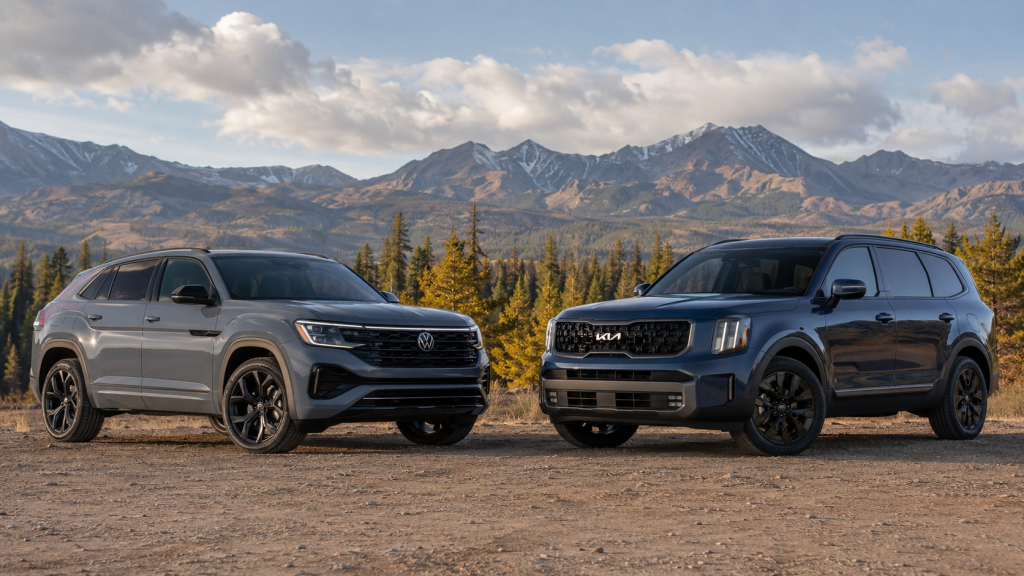
Atlas Cross Sport vs Telluride Size Differences Start With SUV Layout
One of the most common shopper questions asks whether the Atlas Cross Sport is bigger than the Kia Telluride. The answer depends on how SUV size is being measured because overall length, passenger packaging, and cabin layout create very different driving impressions.
The 2026 Volkswagen Atlas Cross Sport removes the third row entirely, which shortens the rear cabin structure and changes how interior space is distributed. Instead of splitting cabin length across three seating rows, Volkswagen pushes more passenger spacing into the second row while also extending the rear cargo floor. That changes how the SUV feels during parking, lane changes, and highway travel.
The Kia Telluride uses a traditional three row SUV structure. The additional seating row increases passenger flexibility, though it also changes cargo packaging and rear overhang proportions. During tighter parking situations, the longer rear structure can feel larger from the driver seat because more vehicle length extends behind the rear axle.
The Atlas Cross Sport structure changes several driving characteristics:
Read the rest of this entry »Fuel efficiency is often the first number shoppers look at when researching the 2026 Volkswagen Taos, but MPG alone does not explain how the vehicle actually performs in a daily commute. For drivers in Metro Detroit, commuting can include stop and go traffic, highway stretches, changing weather, and frequent short trips. That mix of conditions raises important questions. How does the 2026 Volkswagen Taos MPG hold up in real driving, and does it actually change your daily cost and convenience? MPG means miles per gallon, or how far the Taos can travel using one gallon of fuel, but understanding how that number is achieved and when it matters most is what turns a specification into a useful decision.
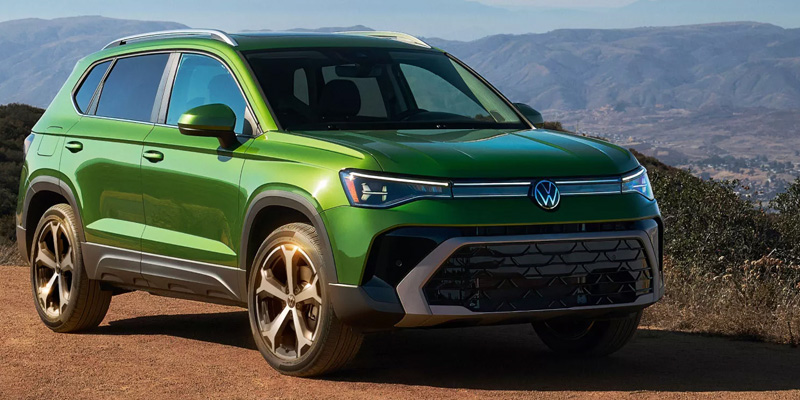
How the 2026 Volkswagen Taos Engine Is Designed for Fuel Efficiency
How does the 2026 Volkswagen Taos achieve its MPG? The Taos uses a turbocharged engine, which means it compresses incoming air before it enters the combustion chamber so the engine can produce more power from a smaller amount of fuel. This allows the 2026 Volkswagen Taos to balance efficiency and responsiveness instead of relying on a larger engine to create performance.
The benefit of this system shows up most clearly in everyday driving. A smaller engine typically uses less fuel under light load, and the turbocharger provides additional power only when needed. That means the Taos can operate efficiently during steady cruising while still responding when acceleration is required.
This system works together with transmission tuning that keeps engine speed controlled during normal driving. By managing how quickly the engine revs and how power is delivered, the Taos reduces unnecessary fuel use during typical commuting patterns.
The real world implication is that the 2026 Volkswagen Taos MPG is not just a static number. It is the result of how the engine adapts to different levels of demand:
Read the rest of this entry »If you are shopping for a 2026 Volkswagen Tiguan in Troy, the biggest question often is not whether you like the vehicle. It is whether leasing or financing makes more sense for the way you actually drive and how long you plan to keep it. That question matters because the two options are built on different payment systems. Leasing is primarily paying for the portion of the 2026 Volkswagen Tiguan you use during the term, while financing is paying toward full ownership over time. Volkswagen’s current financial services pages continue to separate lease and finance paths, and the 2026 Tiguan remains a core model in the lineup, which makes the decision especially relevant for shoppers comparing payment flexibility with long term value. The Volkswagen brand voice also calls for clear, human, and grounded explanation rather than sales language, which fits this kind of ownership decision well.
How leasing and financing a 2026 Volkswagen Tiguan work differently
Should you lease or finance a 2026 Volkswagen Tiguan? Leasing means you are paying for depreciation over a set term, plus fees and financing charges, rather than paying toward permanent ownership. Financing means you borrow money to purchase the 2026 Volkswagen Tiguan, then repay that balance over time with interest until the vehicle is yours.
That difference matters because the two structures answer different buyer priorities. A lease is built around shorter commitment, lower monthly payment potential, and a defined end point. A finance contract is built around ownership, equity, and freedom from mileage restrictions. If a shopper only compares the monthly payment, the lower number can make leasing look automatically better. In reality, the better choice depends on how the payment is created and what happens when the term ends. Volkswagen Financial Services describes leasing as a path for drivers who like newer vehicles and structured terms, while its finance materials emphasize ownership and unlimited mileage.
For a 2026 Volkswagen Tiguan shopper, the practical difference comes down to what the agreement is designed to do:
Read the rest of this entry »Many drivers think of vehicle accessories as cosmetic upgrades, but the most useful accessories improve how a vehicle functions in everyday life. Volkswagen accessories are designed to integrate directly with the vehicle’s interior layout, cargo area, and mounting points, allowing drivers to enhance comfort, protect interior materials, and organize storage space more effectively.
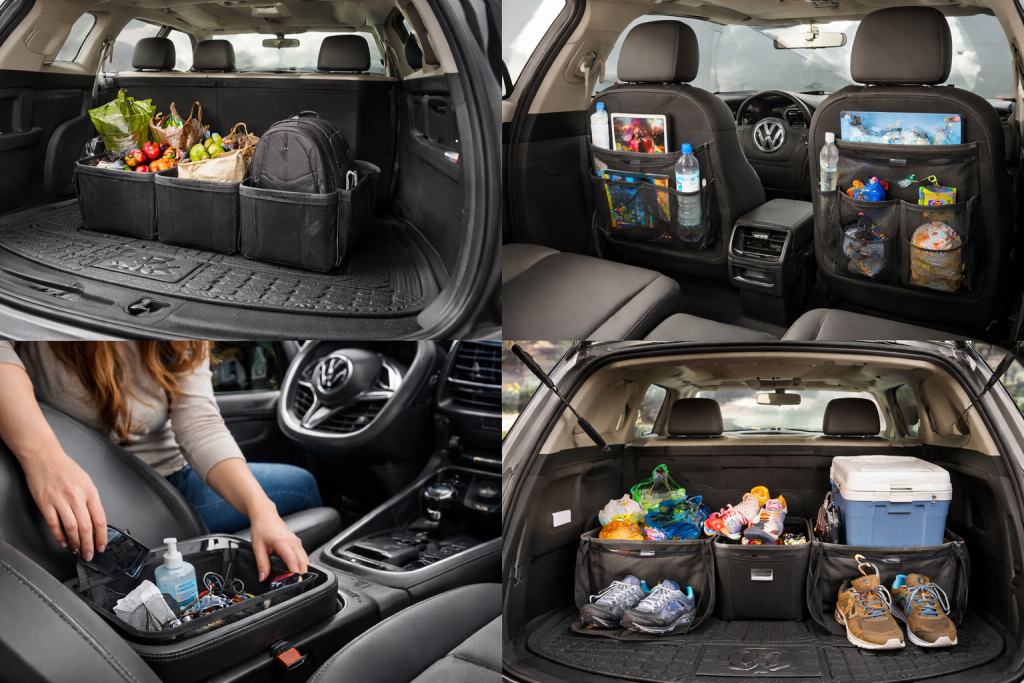
Drivers researching Volkswagen accessories often want to know which upgrades genuinely improve daily usability rather than simply changing the appearance of the vehicle. Accessories that support cargo organization, interior protection, and driver comfort can make a noticeable difference during commuting, family travel, and long road trips.
Understanding how these accessories work helps drivers choose upgrades that support practical everyday needs.
Why Volkswagen Accessories Improve Everyday Driving Usability
Many drivers ask whether accessories actually make a meaningful difference in day to day vehicle use. The most effective Volkswagen accessories improve three important aspects of vehicle ownership.
Comfort accessories help maintain a relaxed driving posture and reduce fatigue during longer drives. Storage accessories improve cargo organization and prevent loose items from shifting during driving. Protective accessories help maintain interior materials and reduce wear over time.
Read the rest of this entry »Choosing a vehicle for daily commuting involves more than comparing horsepower or exterior styling. Drivers who spend significant time traveling to and from work often prioritize fuel efficiency, ride comfort, interior usability, and long term reliability. These factors directly influence how practical a car feels during everyday driving.
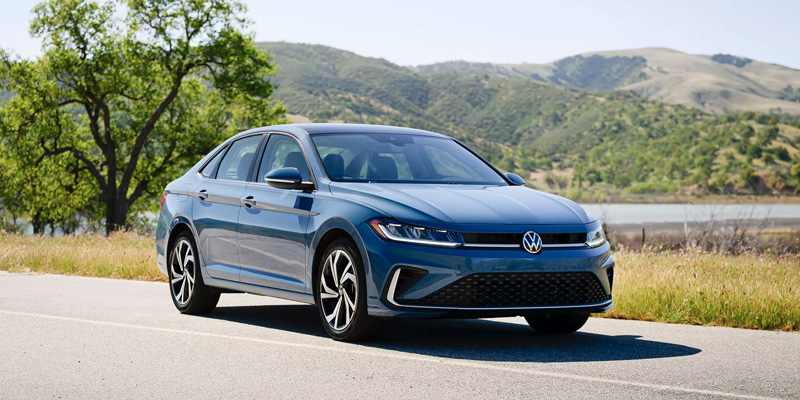
The Volkswagen Jetta is frequently compared with other compact sedans such as the Honda Civic, Toyota Corolla, Hyundai Elantra, and Mazda3 because these vehicles occupy the same commuter focused segment. When shoppers research whether the Volkswagen Jetta is a good commuter car, they are usually evaluating how the vehicle’s engineering decisions influence fuel consumption, driver comfort, and overall ownership practicality.
Understanding how the Volkswagen Jetta approaches these areas helps drivers compare it more effectively with other compact sedans commonly used for daily commuting.
How the Volkswagen Jetta Turbocharged Engine Supports Commuter Fuel Efficiency
Many drivers researching commuter cars ask which compact sedan delivers strong fuel efficiency without sacrificing everyday performance. One reason the Volkswagen Jetta performs well in this category is its turbocharged engine design.
A turbocharged engine uses exhaust driven turbines to force additional air into the engine’s combustion chamber. By increasing the amount of oxygen available during combustion, the engine can generate more power from a smaller displacement while maintaining efficient fuel consumption.
The Volkswagen Jetta turbocharged engine is designed to deliver strong low speed torque, which is particularly useful during commuting conditions. Stop and go traffic, merging onto highways, and steady speed cruising all benefit from an engine that produces usable power without requiring high engine speeds.
For commuters comparing compact sedans, this design creates several practical advantages.
Read the rest of this entry »For families who prioritize space, comfort, and long-distance usability, Volkswagen has long approached three row SUV design with a distinctly practical mindset. The Volkswagen Atlas was engineered first around passenger room, cargo flexibility, and highway comfort, making it a strong starting point for families planning frequent road trips or extended travel. When compared against competitors like the Toyota Highlander, the Atlas stands out not through complexity, but through intentional interior proportions, simpler packaging, and a focus on making every seat and storage area usable in real world conditions. This comparison looks closely at how both SUVs perform when loaded with passengers, gear, and miles, with a particular focus on why the Atlas often aligns more naturally with family road trip demands.

Interior Space and Overall Cabin Layout
Interior volume plays a major role during road trips, especially when passengers and cargo compete for space. The Volkswagen Atlas is designed with a wide, open cabin that prioritizes usable interior dimensions. Its boxier profile translates directly into shoulder room, headroom, and easier movement between rows.
The Toyota Highlander uses a more tapered exterior shape. This design supports efficiency and aerodynamics but slightly limits interior openness, particularly in the rear rows.
For families traveling with multiple passengers, the Atlas cabin feels less confined, especially when all rows are occupied.
Read the rest of this entry »Michigan winter driving introduces challenges that go beyond traction alone. Snow, slush, road salt, and moisture place constant stress on vehicle interiors, exterior finishes, and daily usability. Volkswagen vehicles are engineered to handle cold weather operation, but the right OEM accessories significantly improve comfort, protection, and long-term durability during winter months.
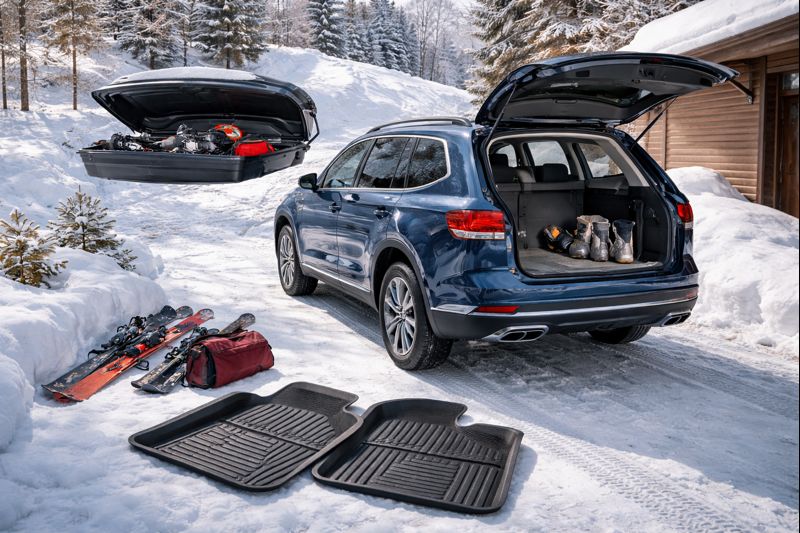
Choosing winter accessories should focus on how materials perform in cold temperatures, how well they contain moisture and debris, and how precisely they fit the vehicle.
Why Winter Accessories Matter More in Michigan
Road salt accelerates corrosion. Snowmelt introduces moisture into carpets and seams. Repeated freeze and thaw cycles break down materials that are not designed for winter use. Accessories that are purely cosmetic offer little value in this environment.
Effective winter accessories are designed to:
Read the rest of this entry »2025 Volkswagen ID.4 for Sale near Rochester, MI
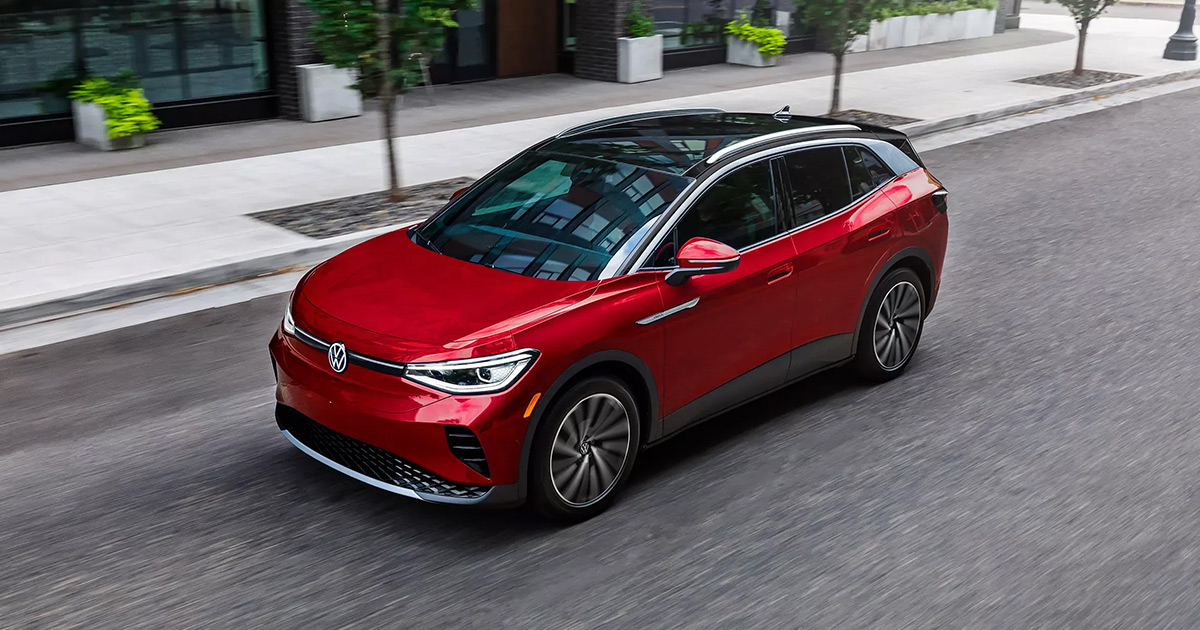
For an all-electric compact SUV that pushes the boundaries, set your sights on the 2025 Volkswagen ID.4 at Mike Savoie Volkswagen of Troy. This model has paved the way for similar vehicles in its class, as it injects fervent strength into your trips around Rochester and beyond. To see it in action, drop by our dealership today during our flexible business hours!
Exterior
The ID.4 kicks things off on a high note, as it places itself at center stage with eye-catching details that draw envious gazes. Rolling out the red carpet are the optional puddle lights that emit a soft glow when the doors are unlocked. Do you plan on using this vehicle to transport gear down I-75? If so, you’ll appreciate the standard roof rails that allow you to secure your cargo box, bike, or kayak on top of the car. While you’re driving, you can rely on the available panoramic fixed glass roof to let natural light cascade throughout the interior. You’ll also be poised to handle thunderstorms, since the standard rain-sensing windshield wipers engage as soon as rain hits the front glass.
Performance
If you’re in the market for an electric SUV of this magnitude, you likely require groundbreaking mechanics. Fortunately, the 2025 Volkswagen ID.4 boasts a standard 210-kW lithium-ion battery pack that works in tandem with an electric motor to dispel 282 total system horsepower. If you’re searching for peak output, upgrade to the 250-kW alternative to rocket toward Scott Street Park with 335 net horsepower. You’ll be thrilled to know that this vehicle thrives on cross-county excursions, as evidenced by its 291 driving range1. And when you need to plug in, you’ll have the convenience of being compatible with Level 1, Level 2, and DC Fast Chargers. If you pick the latter of the three, you’ll go from 20 to 80 percent in as little as 20 minutes1.

Technology
The fantastic performance technology of the 2025 ID.4 is mirrored by the advanced entertainment features lining the cabin. The crown jewel of the dashboard is the standard 12.9-inch touchscreen, which puts your applications, contacts,

music, and messages within arm’s reach. Do you wish to immerse yourself in premium sound scapes, vibrant decibels, and high-end frequencies? Upgrade to the Harman Kardon® premium audio system to access 14 speakers, a center speaker, and subwoofer. You won’t have to remove your hands from the steering wheel to play songs either, because the standard ID.Light responds to your voice commands through choreographed colors, patterns, and animations. And, if you forget your phone’s USB cable, you’ll be able to rely on the standard wireless phone charger to regain power. Do you have pressing questions about this SUV? Contact us for a prompt and detailed response!
How Efficient Is the 2025 Volkswagen ID.4?
- The 2025 ID.4 boasts a 291-mile driving range*!
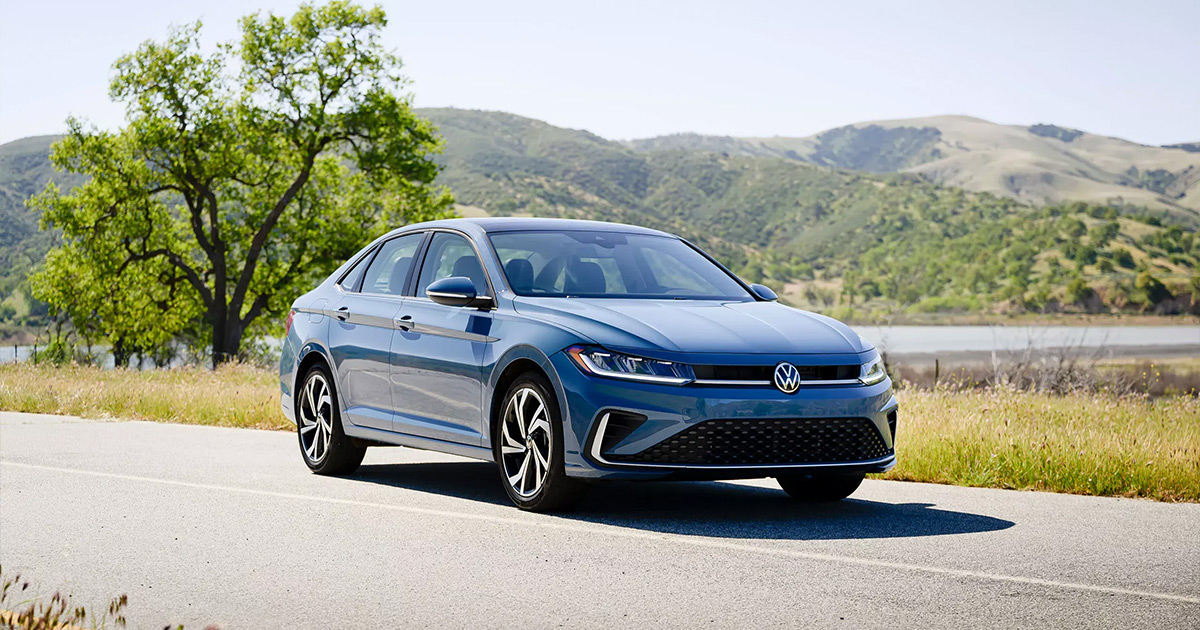
In the 2025 Volkswagen Jetta, you can experience its reliability and advanced features during your trips through Royal Oak, MI. At Mike Savoie Volkswagen of Troy, this compact sedan could be yours. Discover our available incentives after reading this article, which details its many features.
Interior
Within the cabin of the Volkswagen Jetta, you can experience high-level temperature regulation thanks to a standard Climatronic® dual-zone automatic climate control system. Relax into a set of available heated and ventilated front seats to keep yourself comfortable. A warming capability is available in the second-row outboard chairs as well for the benefit of your passengers. Additionally, available leather upholsters each of the sitting surfaces within this vehicle. Plus, a standard auto-dimming rearview mirror is included to help keep the glare from other drivers on I-696 at a minimum. Ambient interior lighting will allow you to enjoy stylish illumination during your journeys. On top of that, a 60/40 split in the second row will allow you to enjoy more storage space.

Performance
Cruise down I-76 using the standard 1.5L turbocharged 4-cylinder engine featured in the 2025 Volkswagen Jetta. This can output up to 158 horsepower and 184 lb.-ft. of torque. Take advantage of an EPA-estimated 29/40/33 MPG city/hwy/combined1 fuel economy for increased savings on gasoline. A standard 8-speed automatic transmission is included for seamless gear shifting and peak drivetrain performance. Plus, FWD comes standard for increased efficiency and smooth maneuverability. Drive mode selection also is available, which includes Normal, Eco, and Sport settings, for your convenience. Make use of the standard MacPherson Strut front suspension with a torsion beam rear axle to reduce bumps from worn roads. Lastly, you also get a standard engine start-stop capability to conserve fuel while halted at an intersection.
Exterior
Heated, power-folding side mirrors come included as standard in this model to help reduce icy buildup during your travels. Plus, you can make a fashion statement near Kenwood Park thanks to an available set of 18-inch wheels. Condensation and snow can both be effectively combatted thanks to standard rain-sensing windshield wipers. Automatic LED headlights are also standard to illuminate your surroundings. Additionally, you can take advantage of available heated washer nozzles to maintain visibility on your adventures. An available integrated light bar in the front grille will serve to accent this stylish feature. Finally, several color options can be selected to enhance the appearance of this car’s body. These include Kings Red Metallic, Platinum Gray Metallic, Pyrite Silver Metallic, Deep Black Pearl, and Opal White, among others. To hear more about the features included in this vehicle, speak to our sales team at your leisure.
What Climate Control System Is Featured in the 2025 Volkswagen Jetta?
- The 2025 Volkswagen Jetta features a standard Climatronic® dual-zone automatic climate control system.


Connect with us

