

Fuel efficiency is often the first number shoppers look at when researching the 2026 Volkswagen Taos, but MPG alone does not explain how the vehicle actually performs in a daily commute. For drivers in Metro Detroit, commuting can include stop and go traffic, highway stretches, changing weather, and frequent short trips. That mix of conditions raises important questions. How does the 2026 Volkswagen Taos MPG hold up in real driving, and does it actually change your daily cost and convenience? MPG means miles per gallon, or how far the Taos can travel using one gallon of fuel, but understanding how that number is achieved and when it matters most is what turns a specification into a useful decision.
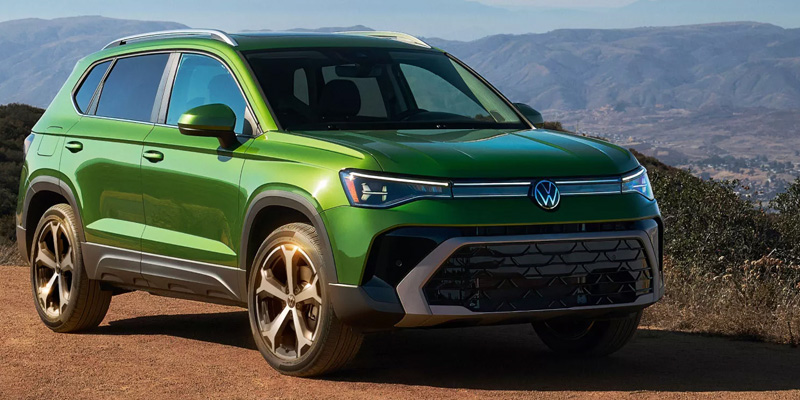
How the 2026 Volkswagen Taos Engine Is Designed for Fuel Efficiency
How does the 2026 Volkswagen Taos achieve its MPG? The Taos uses a turbocharged engine, which means it compresses incoming air before it enters the combustion chamber so the engine can produce more power from a smaller amount of fuel. This allows the 2026 Volkswagen Taos to balance efficiency and responsiveness instead of relying on a larger engine to create performance.
The benefit of this system shows up most clearly in everyday driving. A smaller engine typically uses less fuel under light load, and the turbocharger provides additional power only when needed. That means the Taos can operate efficiently during steady cruising while still responding when acceleration is required.
This system works together with transmission tuning that keeps engine speed controlled during normal driving. By managing how quickly the engine revs and how power is delivered, the Taos reduces unnecessary fuel use during typical commuting patterns.
The real world implication is that the 2026 Volkswagen Taos MPG is not just a static number. It is the result of how the engine adapts to different levels of demand:
- Light throttle driving allows the engine to operate in a lower fuel consumption range
- Turbo boost activates when additional power is needed instead of constantly using fuel
- Transmission behavior helps maintain efficient engine speed during cruising
- Combined system tuning prioritizes balance between efficiency and drivability
For Metro Detroit commuters, this means the Taos is designed to remain efficient during routine driving rather than only under ideal test conditions.
Why Taos City vs Highway MPG Changes Based on Driving Conditions
Does the Taos get better MPG in city or highway driving? City MPG typically benefits from lower speeds and lighter engine load, while highway MPG benefits from steady cruising with fewer interruptions. The difference between the two comes down to how fuel is consumed during acceleration versus constant speed.
In city driving, the 2026 Volkswagen Taos can maintain efficiency when acceleration is moderate and speeds remain controlled. However, repeated stops and starts require additional fuel, which can reduce efficiency if driving is aggressive.
On the highway, the Taos benefits from consistent speed. Once the vehicle reaches cruising speed, the engine operates in a more stable range, which helps maintain fuel efficiency over longer distances.
The key technical difference is how energy is used:
- City driving involves frequent acceleration, which increases fuel demand
- Highway driving maintains steady engine load, which improves efficiency consistency
- Traffic conditions influence how often the engine must increase output
- Driving style plays a major role in both environments
For Metro Detroit drivers, where commutes often combine city streets with highway travel, the combined MPG rating becomes the most relevant number. It reflects how the Taos performs across mixed conditions rather than in a single environment.
How Taos MPG Translates Into Real Commuter Cost and Driving Range
Does MPG actually reduce fuel cost and stops? MPG directly affects how often you need to refuel and how much you spend on fuel over time. Range is how far the 2026 Volkswagen Taos can travel on a full tank, and higher MPG increases that distance.
The impact of fuel efficiency becomes more noticeable when it is tied to routine. A commuter driving daily will experience the difference in how often they stop for fuel and how predictable those stops become.
In practical terms, improved MPG leads to:
- Fewer refueling stops during a typical week
- More consistent fuel budgeting over time
- Greater flexibility for longer trips without planning around fuel stops
- Reduced impact of fluctuating fuel prices on daily driving
For Metro Detroit drivers, where commutes can vary between short trips and longer highway drives, this consistency becomes an advantage. The Taos does not just reduce fuel consumption. It helps stabilize how often fuel becomes part of your routine.
Why Taos Size and Design Improve Daily Commuting
Is the Volkswagen Taos comfortable and practical for commuting? The Taos is designed as a compact SUV, which means it balances interior space with a manageable exterior footprint. That balance affects how the vehicle fits into daily driving environments.
A smaller footprint improves maneuverability, which means the vehicle can change direction and fit into tighter spaces more easily. This is especially useful in parking lots, urban streets, and crowded areas.
At the same time, the interior layout is designed to maintain comfort for daily use. Seat positioning, cabin layout, and visibility all contribute to reducing fatigue during longer drives.
The practical commuter advantages come from how these design elements work together:
- Compact size makes parking and navigation easier in tight spaces
- Interior layout supports comfortable seating during longer commutes
- Visibility helps reduce strain when driving in traffic
- Balanced proportions allow for both efficiency and usability
For drivers who commute regularly, these factors can be just as important as fuel efficiency because they affect how the vehicle feels day after day.
How to Evaluate If the Taos Fits Your Metro Detroit Commute
Is the Taos the right commuter SUV for you? The answer depends on how your driving routine aligns with what the 2026 Volkswagen Taos is designed to do. A commuter vehicle should match your daily pattern, not just perform well in isolated conditions.
The Taos is a strong fit for drivers who prioritize efficiency, manageable size, and consistent daily usability. It is particularly well suited for mixed commuting where both city and highway driving are part of the routine.
To evaluate whether it fits your needs, consider how you drive:
- How much of your commute is stop and go versus steady highway driving
- How often you need to park in tighter or crowded spaces
- Whether reducing fuel stops is a priority in your weekly routine
- How important comfort and ease of driving are over longer distances
The key takeaway is that the 2026 Volkswagen Taos is designed to support real commuting behavior. Its MPG, size, and design all work together to create a more efficient and manageable daily driving experience.
Connect with us

